





























Transportation & Logistics: From Traffic to Timely Delivery — How the Industry Keeps Moving
Explore how smart tech, route planning, and green solutions are transforming transportation and logistics—from traffic jams to fast, reliable deliveries.

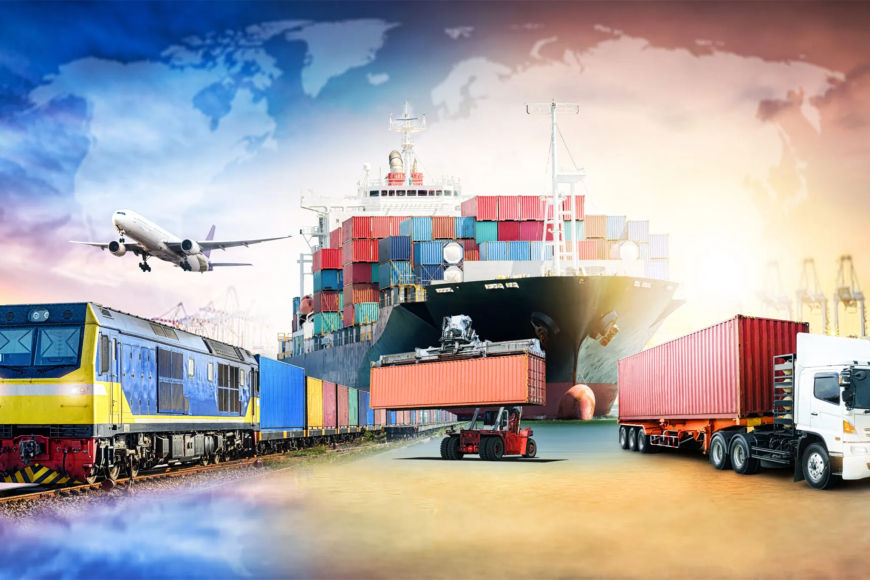
Ever wondered how your online order reaches your doorstep so quickly—or why city traffic seems to delay everything? You're not alone. Transportation and logistics play a crucial role in keeping modern life running smoothly, from delivering packages to managing traffic flow. This blog will break down the challenges in the system and show you the smart strategies that power efficient delivery, even in a world full of bottlenecks.
Breakdown of the Challenge
Transportation and logistics aren’t just about trucks and warehouses anymore. They involve complex coordination across roads, ports, airways, and rail networks. The real challenge? Getting goods from point A to B on time, despite:
-
Urban Traffic Congestion: In cities, traffic delays cost logistics companies billions in lost time and fuel.
-
Last-Mile Delivery: The final leg of delivery is the most expensive and time-consuming, especially in densely populated or hard-to-reach areas.
-
Supply Chain Disruptions: Natural disasters, fuel price hikes, and geopolitical tensions can all bring transport to a standstill.
-
Environmental Concerns: As the demand for fast delivery grows, so does the carbon footprint.
Stat: According to the World Economic Forum, last-mile delivery will grow 78% by 2030, potentially increasing emissions by 32% in major cities if no changes are made.
Step-by-Step Strategy / Solution
1. Smart Route Planning with Real-Time Data
Modern logistics companies use GPS and AI-driven tools to map out the fastest routes, avoiding traffic and weather issues.
-
Apps like Google Maps and Waze help smaller delivery fleets avoid congested roads.
-
Advanced systems integrate with vehicle telematics for predictive route optimization.
2. Micro-Fulfillment Centers
To reduce last-mile delivery times, businesses are setting up mini-warehouses in urban areas.
-
Amazon and Walmart are already investing heavily in this model.
-
These centers bring inventory closer to customers, cutting delivery times in half.
3. Automation and Robotics
Warehouses and even delivery itself are becoming smarter.
-
Autonomous robots now manage inventory and package sorting.
-
Drone and self-driving delivery pilots are in progress in the U.S., China, and Europe.
4. Eco-Friendly Fleet Upgrades
Sustainable transportation is no longer optional.
-
Electric delivery vans and bikes are replacing fuel-powered vehicles in many cities.
-
Carbon offset programs and green logistics strategies help reduce emissions.
Bonus Tips or Mistakes to Avoid
Do’s:
Use centralized software to track shipments and predict delays.
Train staff regularly in tech tools for warehouse and fleet management.
Partner with local couriers for faster, more flexible last-mile delivery.
Don’ts:
Don’t rely solely on traditional logistics models—they can’t keep up with modern demand.
Avoid ignoring environmental regulations—they can cost your business long-term.
Conclusion
The world of transportation and logistics is changing fast. From traffic management to last-mile delivery innovations, businesses that adapt quickly can deliver faster, reduce costs, and stay competitive. Whether you're managing a supply chain or waiting on your next package, it's the hidden efficiency of logistics that keeps everything moving.
What's Your Reaction?