


























The Nail Polish Theory and How Small Luxuries Reveal Big Economic Struggles
Rising prices and inflation are changing how people spend, save, and live. Discover the new lifestyle trends born from the cost of living crisis.

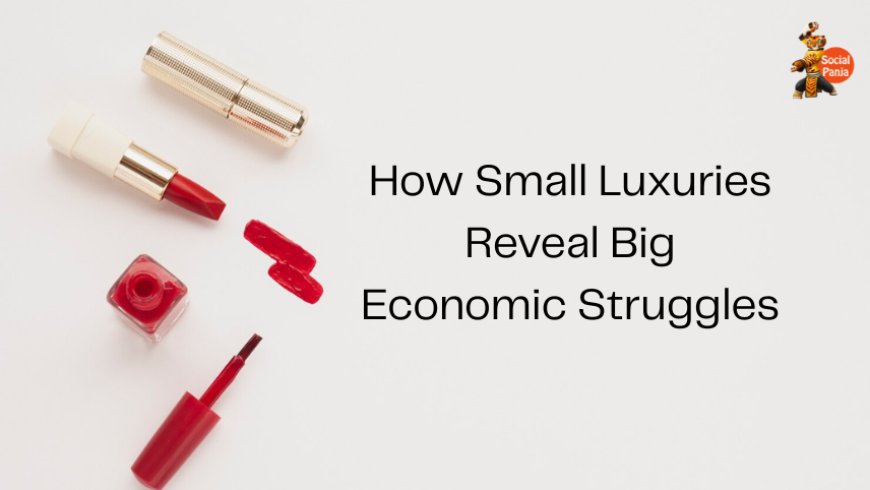
The global cost of living crisis, driven by inflation, energy shortages, and stagnating wages, has reshaped daily spending habits. As essentials like food, rent, and fuel become costlier, people are turning to intentional, minimalist living. This includes embracing second-hand fashion, cutting unnecessary subscriptions, and prioritizing needs over wants. One fascinating consumer behavior emerging from this crisis is the "nail polish theory"—a modern twist on the classic lipstick effect. Traditionally, during economic downturns, people would indulge in small luxuries like lipstick instead of big-ticket items. But as work-from-home culture and mask-wearing during the pandemic reduced the appeal of lip products, a shift occurred. Nail polish, along with skincare, candles, and self-care items, became the new affordable luxury. These products allow individuals to treat themselves without breaking the bank, satisfying emotional needs in tough times.
Interestingly, a spike in nail polish sales often signals that the economy isn’t doing well. When consumers begin focusing on inexpensive feel-good purchases, it reflects deeper anxieties about long-term financial stability. It's a subtle yet telling indicator that people are pulling back on major spending—and leaning into the comfort of small joys.
Across continents, the crisis has sparked a surge in community-based financial education, envelope budgeting, and “no-spend” challenges. Younger generations are also choosing experiences—like nature retreats and local travel—over material goods. Buy Now, Pay Later platforms are gaining popularity, but financial experts warn of rising debt traps. Meanwhile, the boom in thrifting and DIY culture reflects a shift toward sustainability and control. In this new era of conscious spending, less isn’t just more—it’s smarter.
What's Your Reaction?