




























Tesla Eyes India: What the World’s Business Giants Are Saying About Global Expansion in 2025
Tesla eyes India with cautious optimism amid high tariffs—explore what this means for global expansion trends and how businesses are adapting in 2025.

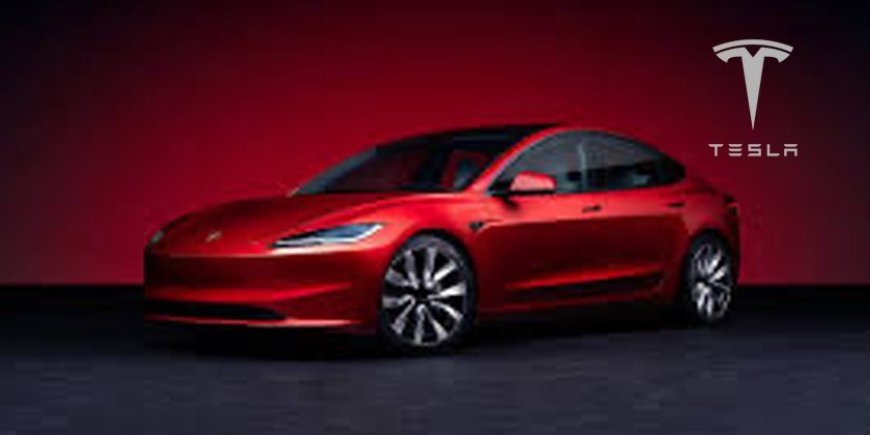
In a world of shifting economies and technological breakthroughs, global business strategies are being rewritten. One of the biggest stories this week? Tesla’s growing interest in India—a move that could redefine how international companies enter emerging markets. In this post, we’ll explore Tesla’s global game plan, the challenges of international expansion, and what this means for other global players and startups.
Why Global Expansion Is Back in Focus
After years of pandemic disruptions, supply chain setbacks, and economic volatility, 2025 is proving to be a revival year for international business expansion. Major companies are once again:
-
Exploring new consumer markets, especially in Asia and Africa
-
Balancing local challenges with global growth potential
-
Using technology and digital tools to scale operations internationally
Tesla, Amazon, and Apple are just a few examples of companies making strategic global plays this year.
Tesla’s India Ambition – A Smart but Cautious Move
Tesla’s plan to enter India has been in the news for a few years, but now in April 2025, the talks have gotten serious. However, the company is still treading carefully. Here’s why:
Why India?
-
Rising middle class with growing interest in EVs (Electric Vehicles)
-
Government support for clean energy and manufacturing
-
Potential for large-scale manufacturing under the “Make in India” initiative
Why the Caution?
-
High import tariffs on fully built cars make Tesla’s vehicles unaffordable for most buyers
-
Infrastructure gaps, such as EV charging stations and grid limitations
-
Bureaucratic red tape that can slow down partnerships and plant setup
According to reports, Tesla is in talks for reduced tariffs if it sets up local manufacturing—something Indian officials are keen on. However, Elon Musk’s team is still analyzing the risk-reward balance.
What This Means for Global Business Trends
Tesla’s India case is just one example of a broader movement. Here are some global business trends we’re seeing in 2025:
1. Localized Globalization
Companies are going global but with hyper-local strategies—from pricing models to product designs. Think McDonald’s offering aloo tikki burgers in India or Netflix producing local-language content.
2. Policy-Driven Expansion
Governments are becoming gatekeepers. Companies are adjusting to:
-
ESG regulations
-
Data localization laws
-
Local production incentives
3. AI-Backed Decision Making
From supply chain logistics to market entry strategies, AI is now part of every global boardroom decision.
4. Resilient Infrastructure Focus
Global companies are investing in logistics, warehousing, and digital networks in countries like India, Brazil, and Nigeria to ensure smooth entry and operations.
What Startups & Entrepreneurs Can Learn
If you’re a startup founder or aspiring entrepreneur, Tesla’s cautious yet calculated approach has valuable lessons:
Do your homework – Understand local laws, consumer behavior, and infrastructure
Build relationships with policymakers – These can make or break your expansion
Start lean and adapt fast – Test products with limited launch zones
Don’t underestimate cultural alignment – Tailor branding and marketing to local tastes
Conclusion
As the global economy regains momentum, business expansion isn’t just about growth—it’s about strategy, adaptation, and timing. Tesla’s India move is symbolic of a larger trend: cautious, data-driven globalization. For other companies, it’s a signal to prepare, localize, and leap.
What's Your Reaction?