

























Overreactions to the 2025 NFL Schedule Unpacked
Explore the biggest overreactions to the 2025 NFL schedule release. We separate hype from reality and assess the season's most talked-about matchups.

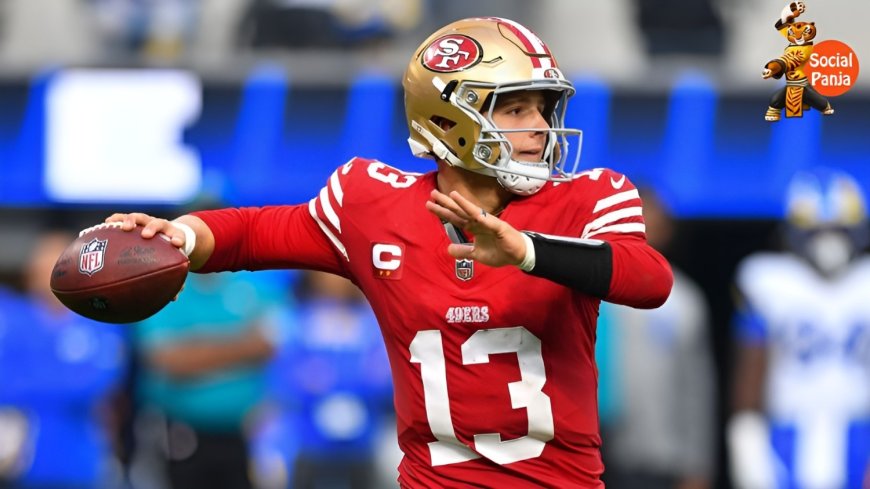
The 2025 NFL schedule is officially out, and with it comes a tidal wave of hot takes, bold predictions, and classic overreactions from fans and analysts alike. Social media has exploded with debates over strength of schedule, primetime matchups, and who got "robbed" or "gifted" by the league office. One of the biggest overreactions so far centers on the Kansas City Chiefs and their supposedly "unfair" schedule. Many believe the defending champs were handed a gauntlet of early-season matchups, facing playoff contenders like the Bengals, Bills, and 49ers in the first six weeks. While it’s certainly a tough stretch, let’s not forget this is a team that has dominated elite competition for years—if anything, these matchups are more likely to sharpen their edge for the postseason than derail their title defense. Similarly, the hype surrounding the Cowboys’ five primetime games, including an opening night clash with the Eagles, has people prematurely crowning or condemning their season. Yes, Dallas draws national attention, but primetime slots don’t win or lose games—execution does. These matchups are designed for drama, not destiny.
Perhaps the most entertaining overreactions are tied to teams on the fringe—those with something to prove or perceived “soft” or “brutal” schedules. The New York Jets are at the heart of this conversation, especially with Aaron Rodgers expected to return. Their schedule ramps up significantly after Week 8, leading many to say their playoff fate hinges on a hot start. But this narrative ignores the fact that a veteran QB like Rodgers thrives in high-leverage games and might actually benefit from tough matchups later when chemistry is stronger. Another example is the Chicago Bears, who are drawing both praise and panic depending on who’s talking. With rookie QB Caleb Williams set to face three playoff defenses in the first five weeks, many are predicting a "rough introduction to the league," but labeling him a bust or a savior based on that short stretch is a classic NFL schedule overreaction. Similarly, people are prematurely calling the Falcons’ season over due to a four-week road trip late in the year, forgetting that team cohesion and health in November can dramatically shift outcomes. Then there are the Patriots, whose "easiest schedule" label is causing confusion among fans still unsure who their starting quarterback will be. Yes, strength of schedule is a factor, but turnover differentials, depth charts, and coaching adjustments play an even bigger role in how seasons unfold. In the end, the NFL schedule is a tool to fuel hype and hope—it builds anticipation, reignites rivalries, and gives fans something to argue about for months. But the truth is this: no one wins games in May, and most of these overreactions will fade by midseason, replaced by real results, not theoretical talking points.
What's Your Reaction?