




























Indian Stars March On at 2025 World TT Championships
India’s paddlers keep the tricolour flying at the 2025 Table Tennis World Championships, advancing in singles and doubles with eye‑catching upsets and grit.

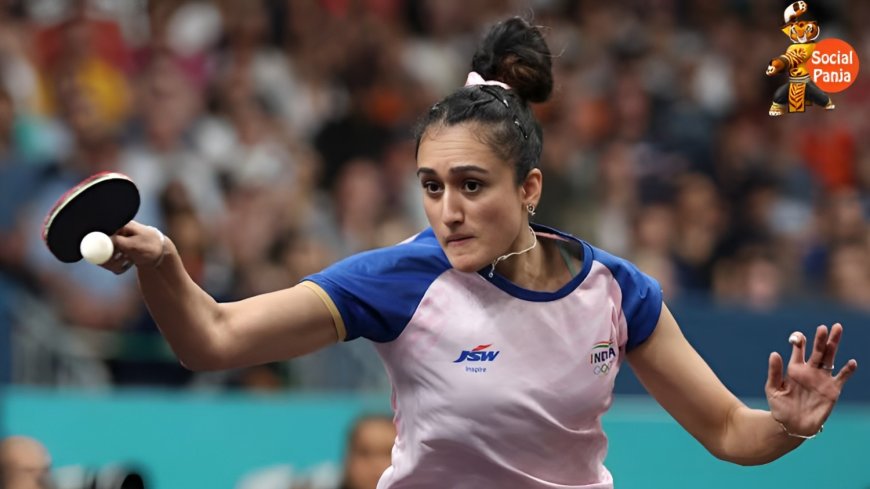
Day after day in Busan, the blue jerseys edged closer to history as India’s table‑tennis contingent transformed the World Championships from a hopeful expedition into a genuine medal hunt. Veteran Achanta Sharath Kamal rolled back the years by dismantling Brazil’s Hugo Calderano with a fizzing forehand that never lost bite even in seventh‑game deuce, while Manika Batra produced the shock of the tournament—out‑rallying Japan’s Mima Ito 11‑3 in the decider by switching to an audacious backhand punch‑block that short‑circuited the penhold ace’s spin variations. Behind the headlines, Sreeja Akula’s relentless service‑receive drills paid off as she reversed a two‑game deficit against France’s Yuan Jia Nan, and teenage left‑hander Payas Jain stunned the arena with counter‑loops timed so early they robbed German chopper Ruwen Filus of defensive rhythm. Coach Massimo Costantini’s data‑driven approach—players log serve‑placement heat‑maps after every session—has trimmed unforced errors by an average of 14 % since the Asian Games, letting Indians impose tempo instead of react. The paddlers’ camaraderie is palpable: Kamal watches every women’s match armed with tactical cue cards, while Batra leads post‑midnight visualization huddles in the team hotel, projecting set‑piece returns on a portable screen to hard‑wire muscle memory before sunrise practice at Sajik Gymnasium.
Yet the climb grows steeper as quarter‑final brackets converge with China’s juggernaut, Korea’s home‑court surge, and a resurgent Swedish squad powered by Truls Möregårdh’s punchy backhand banana‑flick. India’s roadmap now hinges on exploiting match‑ups where their hybrid rubbers and wristy flicks unsettle opponents habituated to linear European topspin. In men’s doubles, Sathiyan Gnanasekaran and Harmeet Desai have engineered a lethal inside‑out pivot serve that drifts long to the elbow, opening the table for Desai’s piston‑fast cross‑court kill; their ability to rotate serve patterns every three points forced the Korean second seeds into four straight receive errors during round of 16 chaos. Women’s doubles duo Batra–Akula have leaned on deep pushes to lure blockers before unleashing sudden parallel drives—an approach that will be crucial against the Chen Meng/Wang Yidi powerhouse awaiting them. Sports Authority of India analysts crunch real‑time Hawk‑Eye feeds to flag opponents’ serve‑direction biases, relaying insights via earpiece during towel breaks; such micro‑edges could decide deuce‑time psychology when rallies stretch past 40 shots and Busan’s drum‑beating faithful try to drown out foreign cheers. Whether this campaign ends draped in medals or merely memories, its legacy is already clear: India’s paddlers now stride the sport’s grandest stage with conviction, armed with science, synergy, and a belief that the podium is no longer someone else’s privilege but their attainable destination.
What's Your Reaction?