






























Global Trade & Tariffs: Impact on Business & the Economy - April 2025
Explore the impact of global trade and tariffs on businesses and the economy in 2025. Understand how changing trade policies affect pricing, supply chains, and market growth.

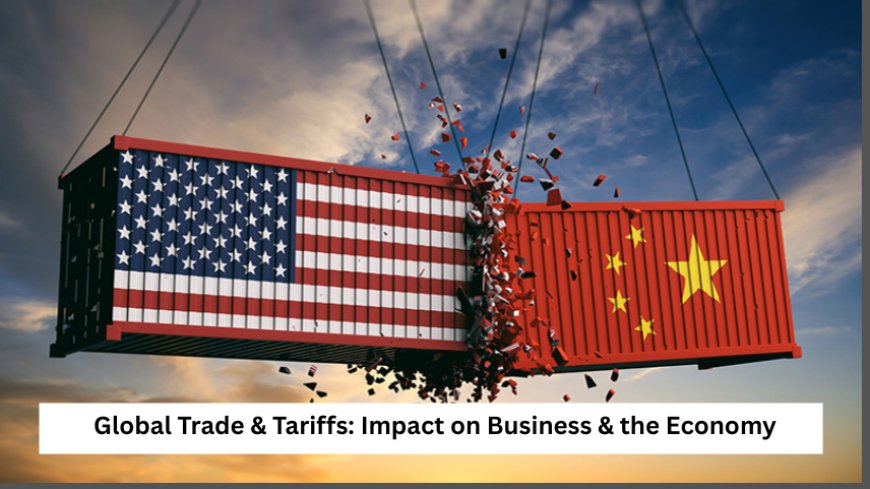
In today’s interconnected world, global trade and tariffs are more important than ever. These economic policies shape everything from the price of goods on the shelves to the competitiveness of industries on a global scale. But with shifting political landscapes and the rise of protectionism, understanding how tariffs work and their impact on global trade is crucial for businesses and consumers alike.
What Are Tariffs?
Tariffs are taxes or duties imposed by a government on imported goods or services. Typically, tariffs are used to protect domestic industries by making foreign products more expensive, thus encouraging consumers to buy local. However, while they may benefit certain industries, tariffs often lead to higher prices for consumers and can disrupt global supply chains.
The Role of Tariffs in Global Trade
Over the past few years, tariffs have become a focal point of trade policy, with countries implementing protectionist measures to shield local industries from foreign competition. For instance, the United States has imposed tariffs on goods from countries like China and India to address trade imbalances and protect American manufacturers.
Why Do Countries Impose Tariffs?
-
Protect Domestic Jobs and Industries: Tariffs can shield domestic industries from cheaper foreign competition, preserving local jobs and encouraging investment in local manufacturing.
-
Encourage Fair Trade: Tariffs are often used as a tool in negotiations to level the playing field between countries with imbalanced trade practices.
-
Political Leverage: Governments sometimes use tariffs to gain leverage in international diplomatic negotiations.
The Impact of Tariffs on Global Trade
While tariffs are designed to protect local businesses, they often have unintended consequences. Here’s a look at how tariffs are affecting global trade:
1. Rising Costs for Consumers and Businesses
When tariffs are imposed, the cost of imported goods increases. This can lead to higher prices for everyday consumers. For example, U.S. tariffs on Chinese electronics raised the cost of smartphones and computers, affecting both American businesses and consumers. In India, tariffs on imports of raw materials can drive up the cost of manufacturing and, ultimately, consumer prices.
2. Supply Chain Disruptions
Global supply chains are finely tuned to maximize efficiency. Tariffs can disrupt these networks, leading to delays and increased costs. A company that sources parts from multiple countries might face higher production costs or delayed shipments if one of those countries imposes a tariff.
3. Trade Wars and Retaliation
Tariffs often lead to retaliatory measures. For instance, when the U.S. imposed tariffs on Chinese goods, China retaliated with its own set of tariffs on U.S. products like soybeans and automobiles. These tit-for-tat tariffs can escalate into a full-blown trade war, which can hurt economies and businesses globally.
4. Economic Slowdowns
Long-term or widespread tariffs can lead to economic slowdowns. Increased production costs and higher consumer prices reduce purchasing power, leading to slower economic growth. Businesses might also delay investment decisions or halt expansion due to uncertainty around trade relations.
The Current State of Global Tariffs in 2025
In 2025, the global tariff landscape is still in flux. While some trade conflicts from the U.S.-China trade war have de-escalated, other tensions persist, such as those between the U.S. and India. The European Union also faces challenges as it negotiates post-Brexit trade deals.
For instance, India recently faced the imposition of a 26% tariff on its goods by the United States, primarily targeting items like steel and aluminum. While India has retaliated with tariffs on American goods, such as medical devices, the tensions have created uncertainties in the trade environment.
The Global Response: Shifting Towards Trade Agreements
In response to the growing tariff barriers, many countries are focusing on free trade agreements (FTAs) and multilateral agreements to reduce tariffs and promote smoother trade relations.
Examples of Key Agreements:
-
The Regional Comprehensive Economic Partnership (RCEP): This agreement between 15 Asia-Pacific nations aims to promote free trade by reducing tariffs and facilitating market access.
-
The European Union (EU) Trade Deals: The EU continues to strike agreements with countries like Canada and Japan, ensuring smoother trade without the need for heavy tariffs.
-
Bilateral Agreements: Countries are increasingly negotiating trade deals directly with one another to sidestep tariffs and foster economic growth.
These agreements are designed to encourage collaboration, reduce trade friction, and make global trade more predictable and stable.
How Businesses Can Adapt to the Changing Tariff Landscape
The current global tariff environment requires businesses to be more agile and strategic. Here are some tips for businesses navigating this challenging landscape:
1. Diversify Supply Chains
Companies should avoid relying too heavily on one country for sourcing goods. By diversifying suppliers and shifting production to countries with lower tariffs, businesses can reduce exposure to tariff-related risks.
2. Monitor Tariff Changes Regularly
Tariffs can change quickly, so businesses need to stay informed about global trade policies and tariff adjustments. Engaging with trade experts or using automated tools to monitor these changes is crucial for maintaining cost-efficiency.
3. Focus on Local Production
If tariffs on imported goods are too high, businesses might consider shifting some of their production processes to local markets to avoid tariffs altogether.
4. Engage in Free Trade Agreements
Take advantage of free trade agreements (FTAs) where tariffs are minimized or eliminated. Businesses in regions with such agreements should focus on expanding into these markets.
Conclusion: The Future of Global Trade & Tariffs
Tariffs are likely to remain a major feature of global trade for the foreseeable future. As countries continue to navigate complex international relationships, tariffs will continue to shape trade flows, investment strategies, and economic growth.
What's Your Reaction?