




























Global Trade in 2025: Navigating Tariffs, Tensions, and Economic Shifts
Explore the latest global trade developments, including rising tariffs and economic shifts. Learn how businesses and investors can navigate these challenges with practical strategies and stay ahead of the curve.

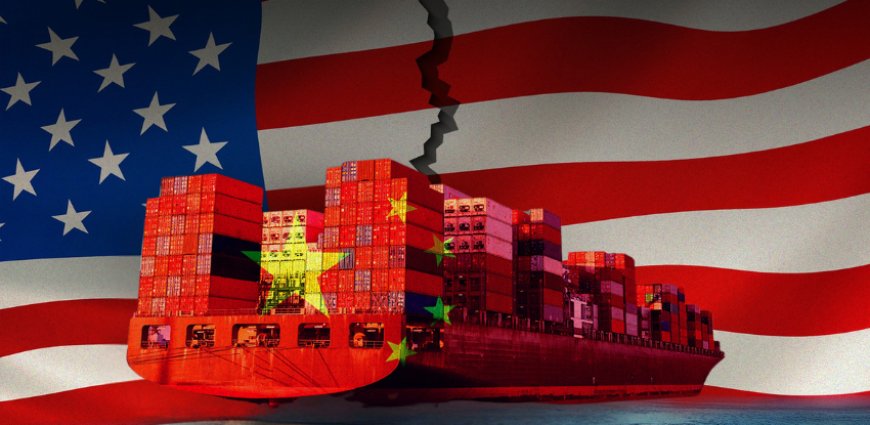
Global trade has been undergoing rapid changes, especially with the rising tensions between major economies. As businesses and investors, how do you navigate the shifting trade dynamics? This post will break down the latest global trade developments, what they mean for businesses and investors, and how you can stay ahead of the curve.
Breakdown of the Challenge – Rising Tariffs and Global Uncertainty
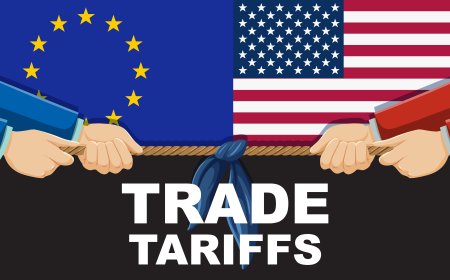
In the wake of the escalating trade war between the U.S., China, and India, new tariffs have been imposed that are shaking up the global market.
For instance, the U.S. recently increased tariffs on Indian imports by 26%, while China’s goods face a massive 145% tariff. This uncertainty has led to major volatility in markets and complicated supply chains for businesses around the world. For many companies, it’s becoming increasingly difficult to keep up with ever-changing regulations and trade policies.
Real-world impact:
-
Businesses in sectors like agriculture, technology, and manufacturing are feeling the pinch as costs rise.
-
Smaller economies are struggling to adapt, with export opportunities shrinking and domestic production costs increasing.
Step-by-Step Strategy to Navigate the Global Trade Challenges
Here’s a clear action plan to help businesses and investors adapt to the ongoing trade developments:
1. Diversify Your Supply Chain
Shifting your supply chain to new countries can help mitigate the risk of tariffs. Countries outside of the U.S., China, and India are less likely to face these high tariffs, which could provide a more cost-effective solution.
2. Reassess Investment Strategies
For investors, now’s the time to take a hard look at your portfolio. Consider allocating more funds to companies that are less affected by trade wars, such as those in local markets or those benefiting from new trade agreements in Asia and Europe.
3. Stay Informed on Trade Talks
With U.S.-India and U.S.-China trade talks ongoing, staying up to date with negotiations is essential. These talks may result in tariff reductions or new trade agreements that could directly impact your business and investments.
4. Strengthen Local Production
If you rely heavily on international imports, strengthening your local production capabilities can buffer against tariff hikes. This can reduce dependence on foreign goods and make your business more resilient.
5. Leverage Trade Agreements
Many countries are signing new trade agreements outside of traditional powerhouses like the U.S. These agreements can open up new opportunities, especially in emerging markets, which are less affected by the trade tensions.
Bonus Tips – Mistakes to Avoid
Dos:
-
Do monitor global policy shifts regularly. Economic and political changes often happen quickly, and staying informed can give you a competitive edge.
-
Do focus on sectors that benefit from trade diversification, like tech companies focused on local development.
Don’ts:
-
Don’t panic or overreact to short-term market fluctuations. Trade negotiations can take time, and markets may adjust gradually.
-
Don’t ignore smaller, emerging markets. They could offer new opportunities in the face of declining trade relations between major powers.
Conclusion
Global trade is evolving, and while the road ahead may be uncertain, opportunities abound for those who are proactive. Diversifying your supply chain, staying informed on trade discussions, and shifting your focus toward more resilient sectors can help your business or investments weather the storm.
What's Your Reaction?